
Symptoms of Thyroid Problems You Should Not Ignore
Feeling tired all the time, gaining weight without changing your diet, or suddenly feeling unusually anxious or restless? These changes may seem unrelated, but sometimes they can be connected to your thyroid.
The thyroid is a small, butterfly-shaped gland in the front of your neck. Despite its size, it plays an important role in the body. Thyroid hormones influence metabolism, energy levels, heart rate, body temperature, digestion, and several other body functions.
When the thyroid produces too little or too much hormone, it can affect the way your body works. This can lead to different symptoms of thyroid problems, and they are not always easy to recognize at first.
Some people notice only one or two changes, while others experience several symptoms together.
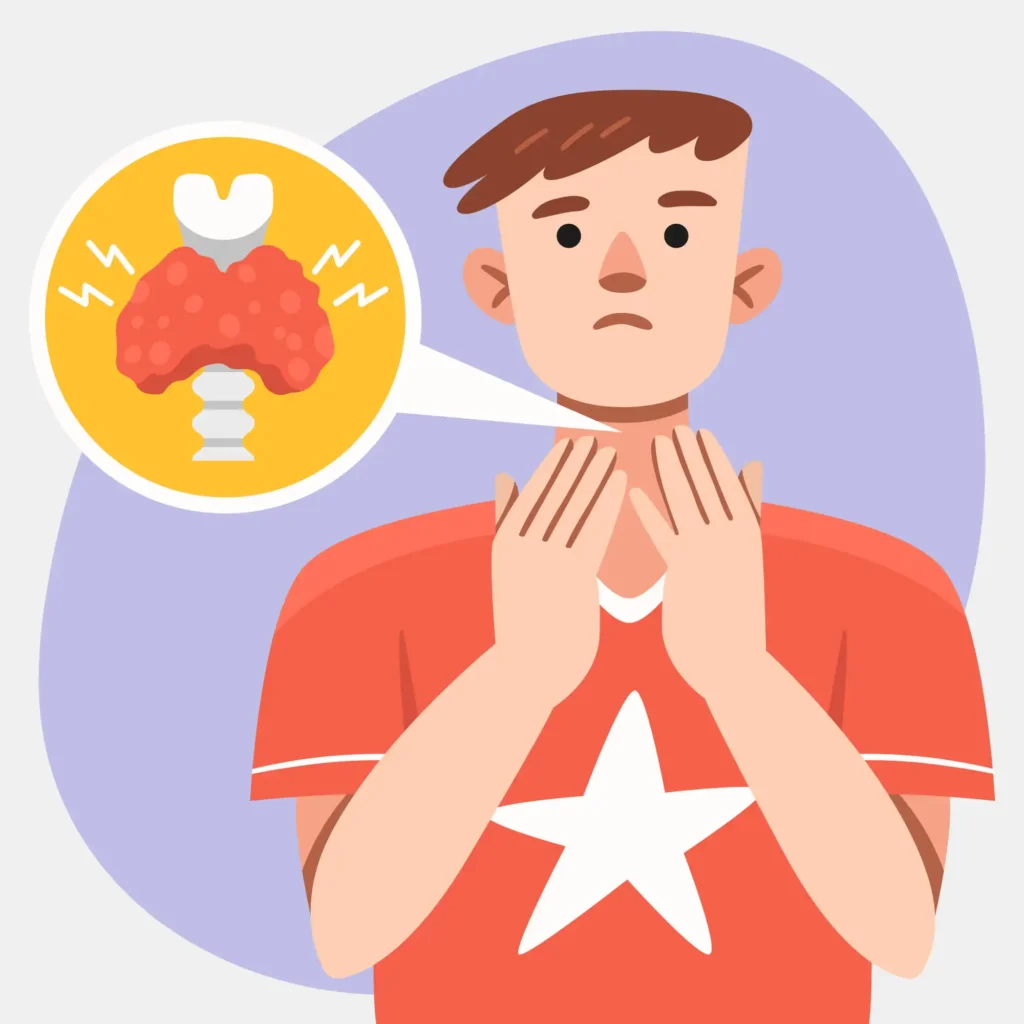
What Is the Thyroid?
The thyroid gland produces hormones that help regulate how the body uses energy. The two main thyroid hormones are thyroxine (T4) and triiodothyronine (T3).
When the thyroid does not produce enough hormones, it is known as hypothyroidism, or an underactive thyroid. When it produces too much, it is called hyperthyroidism, or an overactive thyroid.
Both conditions can affect the body in different ways. This is why thyroid symptoms can sometimes be confused with stress, poor sleep, nutritional problems, or other health conditions.
Common Symptoms of Thyroid Problems
There is no single symptom that can confirm a thyroid disorder. However, certain changes are commonly associated with thyroid problems.
1. Unexplained Weight Changes
Have you started gaining or losing weight without making significant changes to your diet or physical activity?
Unexpected weight changes can sometimes be associated with thyroid dysfunction.
An underactive thyroid may contribute to weight gain, while an overactive thyroid may lead to unexplained weight loss. However, weight changes can happen for many other reasons, so they should not be considered a thyroid diagnosis on their own.
2. Constant Tiredness
Everyone feels tired occasionally. But if you regularly feel exhausted even after getting enough sleep, it may be worth paying attention to.
Fatigue is a common symptom of hypothyroidism. Some people may also feel sluggish, less energetic, or find it harder to concentrate on everyday tasks.
Hyperthyroidism can also cause tiredness, particularly when the body remains in a state of increased activity for a prolonged period.
3. Feeling Too Cold or Too Hot
Do you often feel colder than people around you? Or do you suddenly feel uncomfortable in warm surroundings and sweat more than usual?
An underactive thyroid can make a person more sensitive to cold. In contrast, an overactive thyroid may cause heat intolerance and increased sweating.
These changes can be subtle, especially during the early stages of a thyroid disorder.
4. Changes in Heart Rate
Thyroid hormones can affect the cardiovascular system.
An overactive thyroid may cause a fast heartbeat or a feeling that your heart is racing or pounding. Some people may also notice palpitations or an irregular heartbeat.
These symptoms can have several possible causes, so persistent or unusual heart-related symptoms should be discussed with a healthcare professional rather than being assumed to be a thyroid problem.
5. Hair Loss or Thinning Hair
Finding more hair than usual on your pillow, comb, or shower drain can be worrying.
Changes in thyroid hormone levels may contribute to hair thinning or hair loss. Dry or coarse hair may also occur with an underactive thyroid.
At the same time, hair loss is common for many reasons, including nutritional deficiencies, stress, hormonal changes, certain medicines, and other medical conditions. Therefore, thyroid testing may be considered when hair loss occurs alongside other symptoms.
6. Dry Skin
Dry or rough skin can sometimes be one of the signs of an underactive thyroid.
Some people may notice that their skin feels unusually dry even when they are using moisturizers and maintaining their usual skincare routine.
However, weather, dehydration, skin conditions, and other factors can also cause dry skin.
7. Constipation or Changes in Bowel Habits
Your thyroid can also influence digestion.
Constipation is commonly associated with hypothyroidism. On the other hand, people with hyperthyroidism may experience more frequent bowel movements or diarrhea.
If your bowel habits have changed for a prolonged period without an obvious explanation, it is a good idea to discuss the problem with a healthcare professional.
8. Mood and Concentration Changes
Thyroid hormone imbalance can affect how you feel mentally as well as physically.
People with hypothyroidism may experience low mood, difficulty concentrating, or a feeling of mental sluggishness.
Hyperthyroidism may be associated with anxiety, nervousness, irritability, restlessness, or difficulty sleeping.
These symptoms are common in many conditions, so they should always be considered in the wider health context.
9. Muscle Weakness and Body Aches
Muscle-related symptoms can also occur with thyroid disorders.
An overactive thyroid may cause muscle weakness, particularly in the arms and legs. Hypothyroidism can be associated with muscle aches, stiffness, or discomfort.
If weakness or pain continues or begins affecting normal activities, professional medical advice can help identify the underlying cause.
10. Changes in Menstrual Periods
Thyroid hormones can influence reproductive health and menstrual cycles.
Some women with thyroid disorders may experience heavier, lighter, or irregular periods. Thyroid problems may also affect fertility in some cases.
If menstrual changes occur together with other symptoms such as unexplained weight changes, tiredness, hair loss, or temperature sensitivity, discussing them with a healthcare professional may be helpful.
11. Swelling or a Lump in the Neck
A noticeable swelling at the front of the neck may sometimes be caused by an enlarged thyroid, also called a goiter.
Not every neck swelling is related to a thyroid disorder, but a new or unexplained lump should not be ignored.
A healthcare professional can examine the area and recommend appropriate tests if necessary.
Hypothyroidism vs Hyperthyroidism
One simple way to understand thyroid disorders is to look at how an underactive and overactive thyroid can affect the body.
| Hypothyroidism | Hyperthyroidism |
|---|---|
| Weight gain | Weight loss |
| Tiredness | Restlessness or tiredness |
| Feeling cold | Feeling unusually hot |
| Constipation | Frequent bowel movements |
| Dry skin | Increased sweating |
| Hair thinning | Hair thinning or hair loss |
| Slow or low energy | Increased nervousness |
| Low mood | Anxiety or irritability |
| Difficulty concentrating | Difficulty sleeping |
| Muscle aches or stiffness | Muscle weakness |
| Menstrual changes | Menstrual or fertility changes |
| Slow heart rate may occur | Fast or irregular heartbeat may occur |
Keep in mind that symptoms can overlap, and not everyone with thyroid disease will experience the same symptoms.
What Causes Thyroid Problems?
Thyroid disorders can develop for different reasons.
Autoimmune conditions are an important cause of thyroid disease. For example, Hashimoto’s disease can cause hypothyroidism, while Graves’ disease is a common cause of hyperthyroidism.
Other possible causes include thyroid inflammation, certain medicines, thyroid nodules, previous thyroid treatment, and problems affecting the regulation of thyroid hormones.
The cause cannot be reliably identified from symptoms alone. Medical evaluation and appropriate testing are often needed.
How Are Thyroid Problems Diagnosed?
If your symptoms suggest a possible thyroid disorder, a healthcare professional may recommend blood tests.
A TSH test is commonly used to assess thyroid function. Depending on the situation, tests such as free T4 and other thyroid-related tests may also be recommended.
The test results are interpreted along with symptoms, medical history, physical examination, and other relevant factors.
This is important because symptoms such as tiredness, weight changes, hair loss, and mood changes can occur in many different health conditions.
When Should You Get Your Thyroid Checked?
You do not need to panic because of one isolated symptom. However, it may be worth speaking with a healthcare professional if several unexplained symptoms continue for weeks or begin affecting your daily life.
Consider discussing your symptoms if you have:
- Persistent tiredness or low energy
- Unexplained weight gain or weight loss
- Frequent sensitivity to cold or heat
- Unusual heart palpitations
- Persistent hair thinning or hair loss
- Ongoing constipation or frequent bowel movements
- Changes in menstrual periods
- Mood or concentration changes
- Persistent muscle weakness or aches
- Swelling or a lump in the neck
Early evaluation can help determine whether the symptoms are related to the thyroid or another underlying condition.
Can Thyroid Problems Be Treated?
Many thyroid disorders can be effectively managed with appropriate medical care.
Treatment depends on whether the thyroid is underactive or overactive, the underlying cause, the severity of the condition, and the person’s overall health.
People with hypothyroidism may be prescribed thyroid hormone replacement. Hyperthyroidism may require medicines or other treatment approaches depending on its cause.
If you are already taking thyroid medicine, do not change the dose or stop the medication without discussing it with your healthcare professional.
Final Thoughts
The thyroid may be a small gland, but changes in its hormone production can affect many parts of the body.
If you have been experiencing unexplained tiredness, weight changes, hair loss, temperature sensitivity, digestive problems, mood changes, or other persistent symptoms, do not immediately assume that it is a thyroid problem. At the same time, persistent changes should not simply be ignored.
A proper medical evaluation and appropriate thyroid testing can help identify the actual cause and guide the right treatment.
This article is intended for general health education only and should not be considered a substitute for professional medical advice, diagnosis, or treatment.
अगर आप होम केयर नर्स की नौकरी की तलाश कर रहे हैं, या आपके परिवार या दोस्तों को घर पर नर्सिंग सेवाओं की ज़रूरत है, तो तुरंत संपर्क करें:
📞 कॉल/व्हाट्सएप: 6207179654
🌐 वेबसाइट: Nursing job Apply Now
📍 पता: 1st Floor, Raza Complex, Near Alam Hospital, Ranchi – 834009
होम नर्सिंग एक ज़िम्मेदारी भरा और सम्मानजनक करियर है। अगर आप इस क्षेत्र में आगे बढ़ना चाहते हैं, तो यह मौका न गंवाएं। आज ही आवेदन करें और बेहतर स्वास्थ्य सेवा का हिस्सा बनें! 😊
We Also Provide Home Nursing Services, Medical Equipments Rental Services & Online Doctor Consultation.
OUR Services
All nursing Services – Click here
Medical Equipments On rent – Click here
Doctor Consultation – Click here